
I didn’t care about fabric for a long time. Like most people, I’d just buy something if it looked good. Shirt looks nice? Done. Bedsheet feels okay? Good enough.
But then you start noticing patterns. Some clothes just don’t last. They fade, they lose shape, or they start feeling rough for no clear reason. And then there are those random pieces you own for years and they still look fine.
That difference usually comes down to something you never checked in the first place.
So what is it, really?
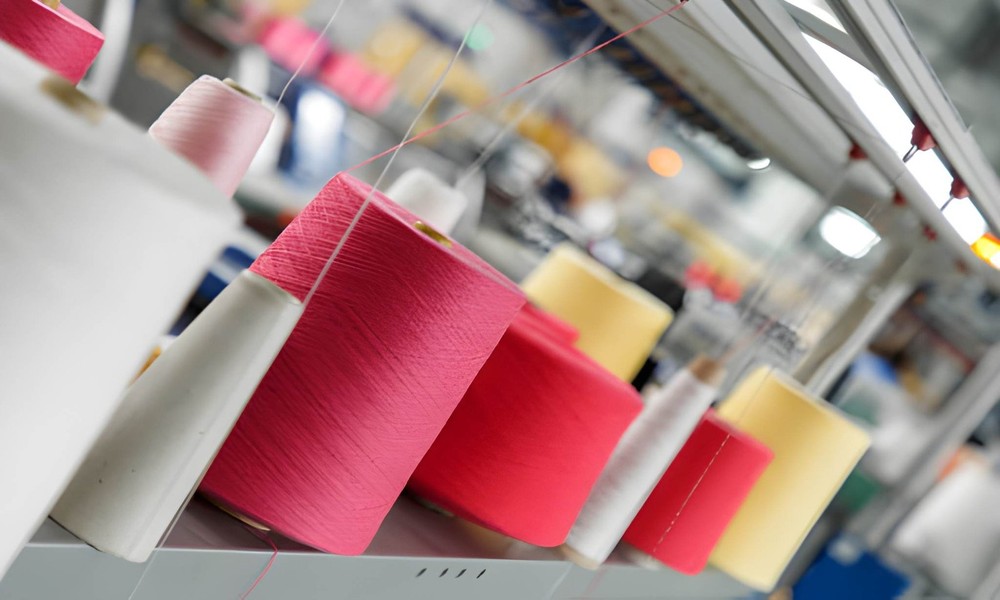
Nothing complicated, honestly. It’s just polyester made into really long, smooth threads instead of short, broken ones. That’s it.
But weirdly, that one small change makes a big difference in how fabric behaves. Short fibers (like cotton) are kind of messy when you zoom in. Tiny ends sticking out everywhere. That’s why they feel soft but also why they wear out faster.
Filament yarn? It’s cleaner. Straighter. More controlled. And you can actually feel that difference, even if you don’t know why.
That “why does this feel better?” moment
You’ve probably had it. You pick up two pieces of clothing. Similar price. Similar look. But one just feels nicer.
Not softer exactly. Just smoother. Easier. That’s often filament yarn doing its thing.
It doesn’t catch on your skin the same way. It doesn’t fuzz up quickly. It just stays put together.
You don’t notice it on day one. But give it a few weeks. That’s when the difference shows.
It shows up more than you think
This isn’t some rare material used in expensive fashion.
It’s actually in a lot of everyday stuff:
- Gym clothes
- Dresses
- Curtains
- Bedsheets
- Even some bags
Basically anything that needs to survive regular use without falling apart too fast. Manufacturers use it because it’s predictable. It behaves the way they expect it to. And in production, “predictable” is a big win.
The polyester reputation problem
Let’s be honest polyester doesn’t have the best image. A lot of people hear the word and think of cheap, uncomfortable clothes. The kind that feel weird in heat.
That’s not entirely wrong but it’s not the full picture either. Low-quality polyester exists. A lot of it.
But polyester filament, especially when it’s made well, feels completely different. Sometimes even close to silk, depending on how it’s finished.
So yeah, same base material but very different results.
Where it quietly does its job
The biggest thing about polyester filament is that it doesn’t demand attention.
It just works.
- Your shirt keeps its shape after washing
- Your curtains don’t wrinkle every time you touch them
- Your bedsheet doesn’t turn dull after a month
- You don’t think, “wow, great filament yarn.”
- You just think, “this still looks good.”
That’s kind of the whole point.
Not perfect, though
Nothing is.
Polyester filament can feel a bit less breathable compared to cotton. On really hot days, that’s noticeable.
But newer fabrics have improved a lot. They’re designed to handle sweat better and feel lighter than older polyester.
So the gap isn’t as big as it used to be.
The part most people skip
Nobody really checks yarn type when buying something. You look at color, design, maybe price. That’s normal.
But yarn whether it’s filament or not is often what decides how long that item actually lasts.
It’s like buying a phone and only caring about how it looks, not what’s inside.
Works fine until it doesn’t.
Why it matters more over time
Here’s the thing. On day one, most fabrics look good.
The real test is after:
- 10 washes
- 20 washes
- a few months of use
That’s when differences show up. Some fabrics start looking tired. Others don’t.
Polyester filament usually falls into the second group. Not always but often enough that it’s worth knowing about.
Final thought
You don’t need to become an expert in textiles. But once you start noticing why some things last and others don’t, it changes how you look at fabric.
Polyester filament is one of those small, behind-the-scenes details.
Easy to ignore. Hard to replace. And once you notice it you kind of can’t unsee it.
