
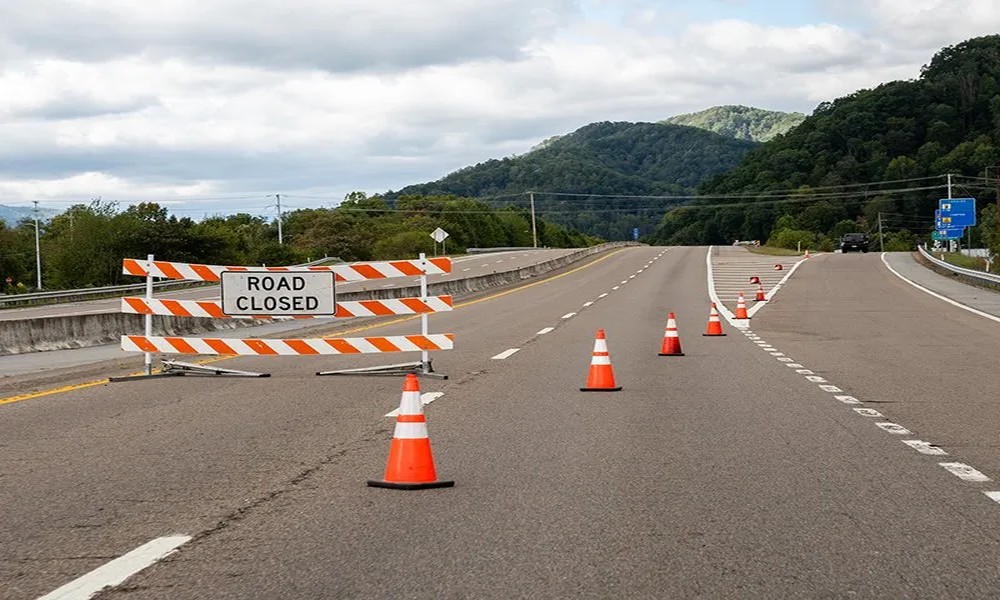
The difference between a smooth, efficient construction project and one that spirals into chaos often comes down to one document: the traffic control plan. Whether orchestrating a city-wide road repair or a quick utility fix, the quality of traffic management not only drives timelines but can mean the difference between public safety and dangerous confusion.
The Hidden Costs of Poor Traffic Control Planning
When traffic planning goes wrong, the consequences ripple out fast. Delays pile up as confusion reigns and vehicles bottleneck, forcing crews to work around frustrated drivers. Every hiccup, from a missing sign to unclear lane closures, progressively chips away at the project schedule.
What’s worse, inadequate traffic plans expose both workers and the public to serious risk. Without proper signage, barriers, or flagging, the chances of collisions, near-misses, and injuries skyrocket. That kind of oversight not only jeopardizes lives but can cause costly legal and reputational fallout.
Financially, the hit is substantial. Missed deadlines often lead to contract penalties, overtime pay, and sometimes even the need to redo sections of work. In the world of infrastructure, time is quite literally money.
What Makes a Traffic Control Plan Clear and Effective?
Not every traffic control plan is created equal. The best ones are more than maps and permit forms, they’re comprehensive roadmaps that anticipate the unexpected. Critical components include:
– Clearly marked detours and alternate routes
– Strategic placement of signs and barriers
– Defined zones for worker and machinery movement
– Plans for emergency vehicle access
– Detailed instructions for flagging operations
Adapting these plans to the unique demands of each project and roadway type is key. Urban intersections demand different strategies than rural highways. Compliance with standards, such as OTM Book 7 in Ontario, and local municipal requirements ensures the plan is not just clear but legal and enforceable.
How Clear Traffic Control Plans Accelerate Project Timelines
Time lost to traffic confusion is time crews can never get back. Well-drafted traffic control plans smooth the path for fast permitting and approvals, since municipalities can quickly see that all safety and legal standards are covered.
On the ground, clear plans minimize unnecessary traffic interruptions. With well-defined lane closures and flagging protocols, work zones stay productive, and vehicle flows remain as smooth as possible. Each step, from setting up the first barricade to reopening the road, is coordinated to keep the project moving forward.
Enhancing Public Safety Through Thoughtful Traffic Management
Safety isn’t an afterthought, it’s built into every detail of an effective traffic plan. Protecting workers and the public starts with the right mix of barriers, signs, signalers, and flagging teams. These elements warn, guide, and, when needed, physically separate people from danger.
Plans must also anticipate the unpredictable. Whether it’s a sudden downpour or a utility hit, the ability to adapt signage, crew instructions, and traffic flow in real time keeps everyone safer. In this context, experience and preparedness are everything.
Case Studies: Success Stories from Effective Traffic Control
A well-known example involves a major urban road reconstruction that finished ahead of schedule thanks to a meticulously tailored traffic plan. Lane closures were minimized with off-peak work, and detailed flagging instructions kept access for local businesses steady. Notably, there were zero recordable safety incidents.
For small-scale utility repairs, some crews have completed weeks-long projects without a single complaint or accident. Each team member understood their role and the traffic management approach, preventing confusion for both workers and drivers.
On the flip side, projects with vague or incomplete traffic plans often report increased accidents, irate drivers, and spiraling costs, a stark reminder of what’s at stake.
Implementing Clear Traffic Control Plans in Your Project
Getting traffic management right starts with collaboration. Partnering with experienced companies, such as Salus Traffic Solutions, brings in the expertise needed to design plans that are practical and compliant from day one.
Developing a Road Occupancy Permit application should be a step-by-step process that leaves nothing to guesswork. Clear documentation, accurate site diagrams, and preemptive coordination with all stakeholders streamline approvals and avoid last-minute surprises. On-site, robust training and regular communication ensure everyone is aligned, from project managers to the newest crew member.
Future Trends in Traffic Control Planning
The future of traffic management isn’t static. New technologies, from portable digital signs to automated lane closure systems, are making it easier to adapt on the fly and better protect the public. As urban areas grow more complex, the demand for customized, flexible traffic solutions will only increase.
Sustainability and consideration for community impact are moving up the priority list, too. Efficient plans now help minimize environmental disruption and keep neighborhoods functioning even during big projects.
Taking Action: Ensuring Your Project Benefits from Clear Traffic Control
Before breaking ground, evaluate your traffic management approach with a critical checklist:
– Is every risk accounted for?
– Are plans tailored to site specifics?
– Is there a clear communication strategy?
Choosing a trusted traffic control provider ensures your project isn’t just compliant, but truly safeguarded against delays and hazards. Continuous improvement, through feedback, on-the-ground observations, and lessons learned, will keep your operations sharp and your people, and the public, out of harm’s way.
