
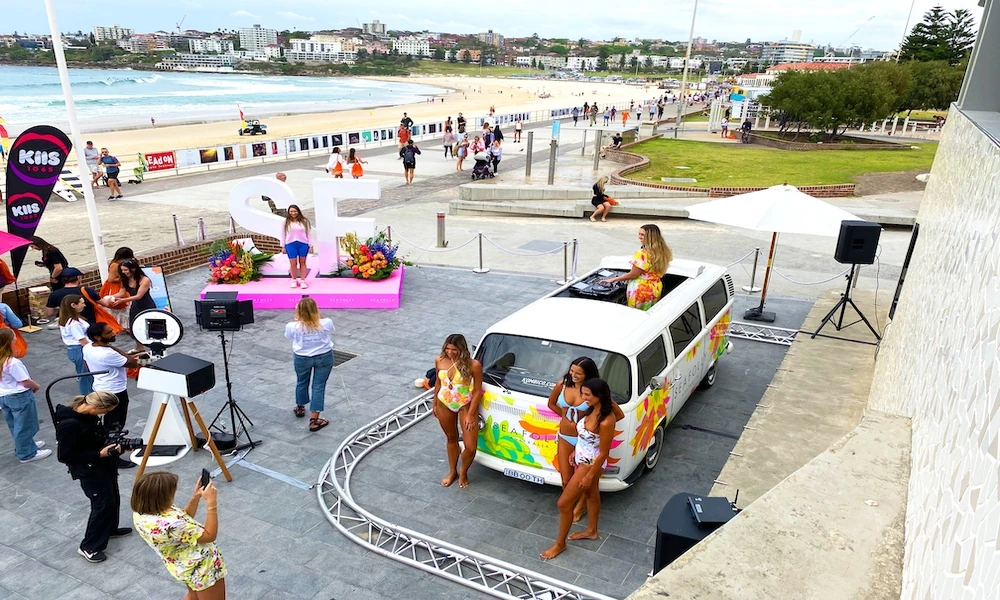
It is tempting to think that customers remember a brand because they have seen it often. Repetition builds recognition, but recollection is usually tied to a specific moment: tasting something, winning a small prize, having a question answered by a person. A brand activation event is an attempt to manufacture such a moment deliberately. The ideas below are less about spectacle than about giving people something to do that connects naturally to what the product is for.
Begin With One Clear Action
Every activation should be built around a single thing the visitor does. Tasting, testing, customising, competing or creating are all workable; watching is not. When a concept tries to include several of these, queues form and staff cannot explain it quickly. Write the action in one sentence and test whether a stranger understands it in five seconds. If not, simplify the idea before spending anything on design or fabrication. A single action also makes the event far easier to staff and to measure.
Product Trial With a Twist
Sampling is the oldest idea and still among the most effective, provided it is more than handing out sachets. Asking visitors to compare two variants, guess an ingredient or build their own combination turns a free sample into a small decision, and decisions are remembered. The trial should take place at a counter designed for it, with storage, waste disposal and hygiene planned properly, particularly where food and drink are involved.
Personalisation on the Spot
People keep objects that carry their own name or choices. Engraving, printing, mixing a colour or assembling a kit to order all create a souvenir that stays in use long after the event. The practical limit is throughput: each item must be finished in a few minutes or the queue will deter others. Preparing blanks in advance and limiting the options to a short menu keeps the process manageable for staff. A visible finished example on the counter helps visitors decide quickly.
Challenges and Friendly Competition
A simple game with a visible scoreboard draws a crowd, and a crowd draws further visitors. The challenge should relate to the product’s benefit, such as speed, accuracy or endurance, so that the memory is attached to the right idea. Formats that work in a mall atrium also translate to trade shows, where organisers publish rules on noise and aisle obstruction, and where well-built exhibition stands give the activity a proper stage and storage behind it.
A Photo Moment With a Purpose
A backdrop designed for photographs can extend the reach of an event well beyond those who attended, but only if people want to stand in front of it. Scale, good front lighting and an element of humour or surprise matter more than a large logo. Place the brand name where it appears in the frame without dominating it, and make sure the spot does not block the flow of people through the space.
Workshops and Demonstrations
A short session in which visitors learn something useful, led by someone who knows the product well, suits goods that need explanation: kitchen equipment, cosmetics, tools, software. Sessions should be brief, repeated at published times and limited in number so that everyone can see. Seating a small audience also creates a visible gathering that passers-by notice. Collect contact details at booking, with consent, so that follow-up is possible afterwards.
Tie the Event to a Season or Place
An idea that fits the calendar or the location needs less explanation. Festive periods, school holidays and local events supply a ready theme and higher footfall, though venue space is in greater demand and must be reserved early. Mall managements generally require designs, structural details and insurance documents to be submitted for approval before a promotional space can be used, so the timetable should allow for that review.
Give Staff a Script and Freedom
Promoters carry the brand’s voice for the day. They need to know the product, the single action being asked of visitors and what to say first, but a rigid script sounds false. A short briefing, a rehearsal in the finished space and a clear point of contact for problems are usually enough. Rotating staff between positions during a long day keeps energy up and prevents the slow drift towards standing behind the counter.
Capture and Follow Up
The event itself is only half of the work. Decide beforehand what will be recorded: samples given, sign-ups, redemptions of a voucher, photographs shared. A voucher valid for a limited period links the experience to a later purchase and makes the result measurable. Follow-up messages should be sent promptly and refer to what the person did, since a generic newsletter squanders the goodwill that the encounter created. Sales staff should be told which enquiries came from the event.
Choosing the Right Idea for Your Brand
Pick the format that fits how the product is actually used, the time staff can give each visitor, and the space available. A modest idea executed well in a suitable location outperforms an ambitious one that queues badly. Record what worked, because the strongest elements can often be made permanent. Brands with their own shops should consider building a flexible feature area into their next store fit-out project, so that future activations have a home ready for them.
